

Vietnamese Traditional Culture: 8 Experiences Every Traveler Should Try
Vietnam is a country where ancient traditions blend beautifully with modern life. Beyond its breathtaking landscapes, bustling cities, and beautiful beaches, Vietnam offers a rich cultural heritage shaped by thousands of years of history, diverse ethnic communities, and unique local customs.
For travelers who want to discover the country beyond its famous tourist attractions, experiencing Vietnamese traditional culture is one of the most rewarding ways to understand its people and way of life.
From watching traditional water puppet performances to exploring centuries-old craft villages, enjoying authentic local cuisine, and staying in traditional ethnic houses, there are countless opportunities to experience the cultural heart of Vietnam.
Here are eight authentic Vietnamese cultural experiences every traveler should try during their visit.
1. Enjoy a Traditional Vietnamese Water Puppet Show
Water puppetry, known as Múa Rối Nước in Vietnamese, is one of the country's most distinctive traditional art forms. Originating in the Red River Delta of northern Vietnam, this unique performance dates back to the 11th century and was traditionally performed in village ponds and rice fields.
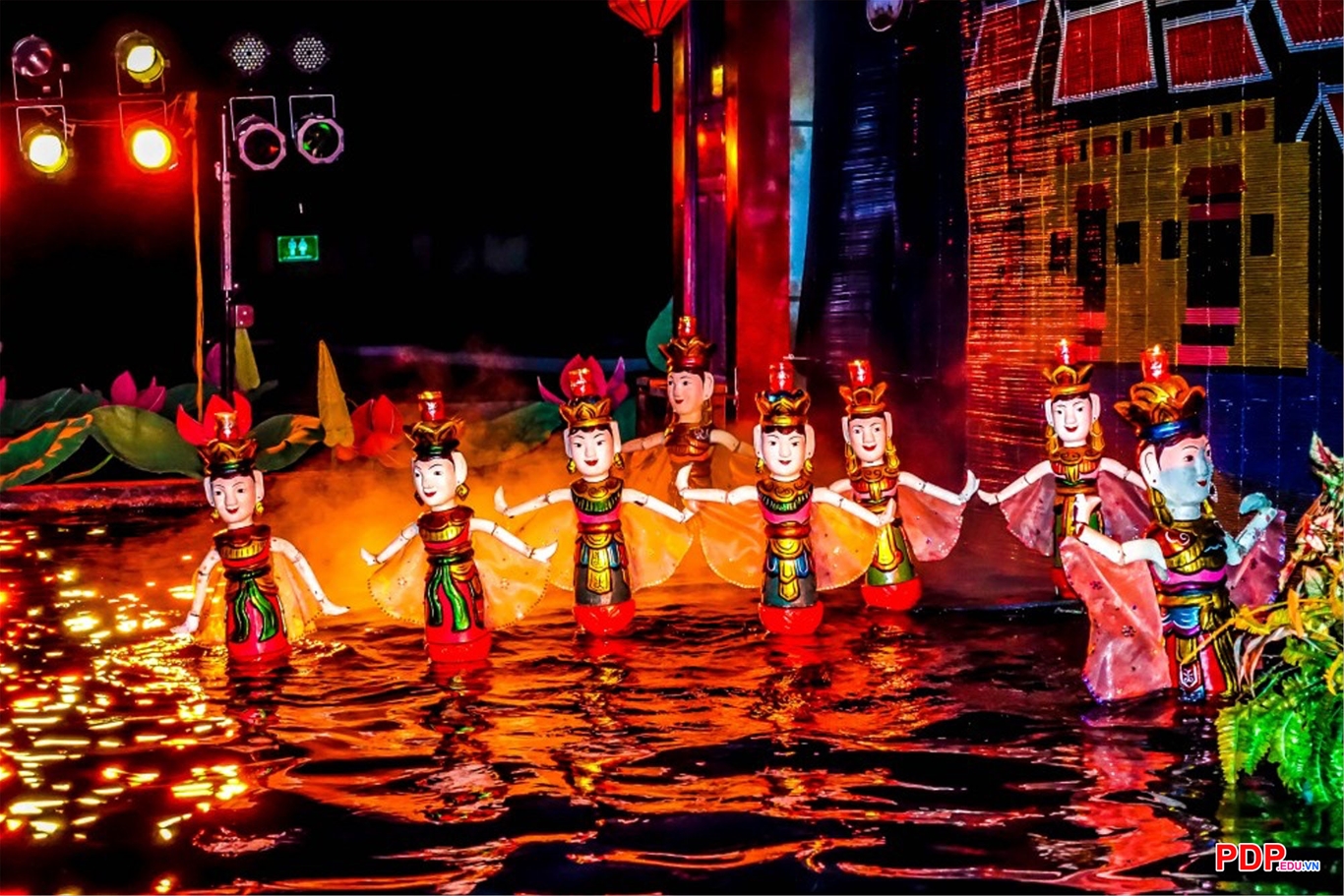
During a water puppet show, wooden puppets move across the surface of a water stage, controlled by skilled puppeteers hidden behind a screen. Accompanied by traditional Vietnamese music and live singing, the performances recreate scenes of rural life, folk legends, historical stories, and traditional festivals.
Popular characters include farmers working in rice fields, fishermen, dragons, and the famous water puppet character Chu Teu, who often introduces the performances.
Where to experience it: Hanoi is one of the best places to enjoy traditional water puppetry, particularly at the Thang Long Water Puppet Theatre.
For international visitors, this is an entertaining and accessible introduction to Vietnamese folklore and performing arts.
(Source: Vietnamtourism)
2. Wear the Traditional Vietnamese Ao Dai
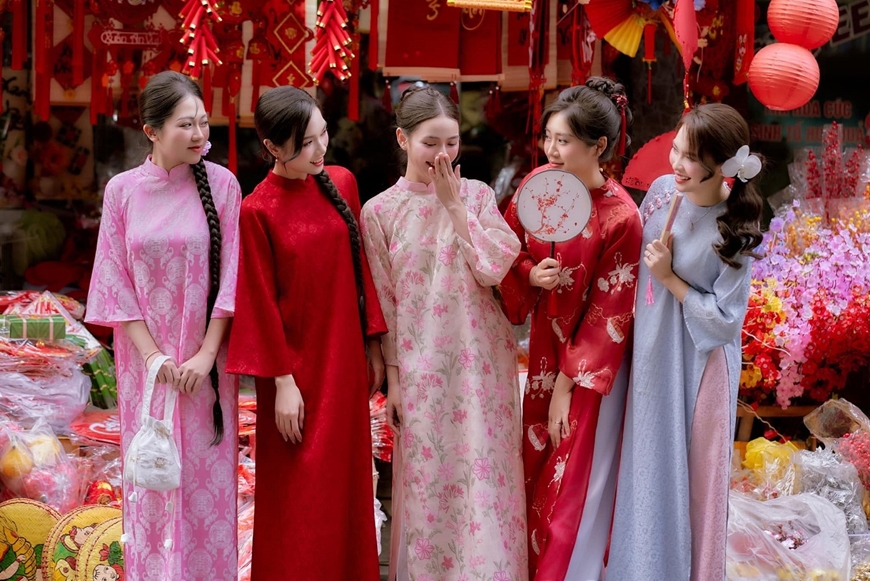
The Ao Dai is one of the most recognizable symbols of Vietnamese culture. This elegant traditional garment features a long tunic with side slits, usually worn over loose-fitting trousers.
Although its design has evolved over time, the Ao Dai continues to represent Vietnamese elegance, identity, and cultural pride. It is commonly worn during important celebrations, weddings, festivals, and special occasions.
For travelers, wearing an Ao Dai offers a wonderful opportunity to connect with Vietnamese traditions while creating memorable photographs.
Some of the most beautiful places to experience this are the ancient streets of Hoi An, the Imperial City of Hue, and the historic streets around Hoan Kiem Lake in Hanoi.
Many local studios offer Ao Dai rentals, allowing visitors to choose from a variety of traditional and contemporary designs.
(Source: Quan Doi Nhan Dan Newspaper)
3. Explore Vietnam's Traditional Craft Villages
Traditional craft villages offer a fascinating insight into the skills, creativity, and heritage of Vietnamese artisans. Many of these villages have preserved their traditional production techniques for generations, making them valuable cultural destinations.
Some notable craft villages worth visiting include:
Bat Trang Ceramic Village – Hanoi
Located on the outskirts of Hanoi, Bat Trang is famous for its traditional pottery and ceramic products. Visitors can explore workshops, observe artisans shaping clay, and even try making their own ceramic pieces.

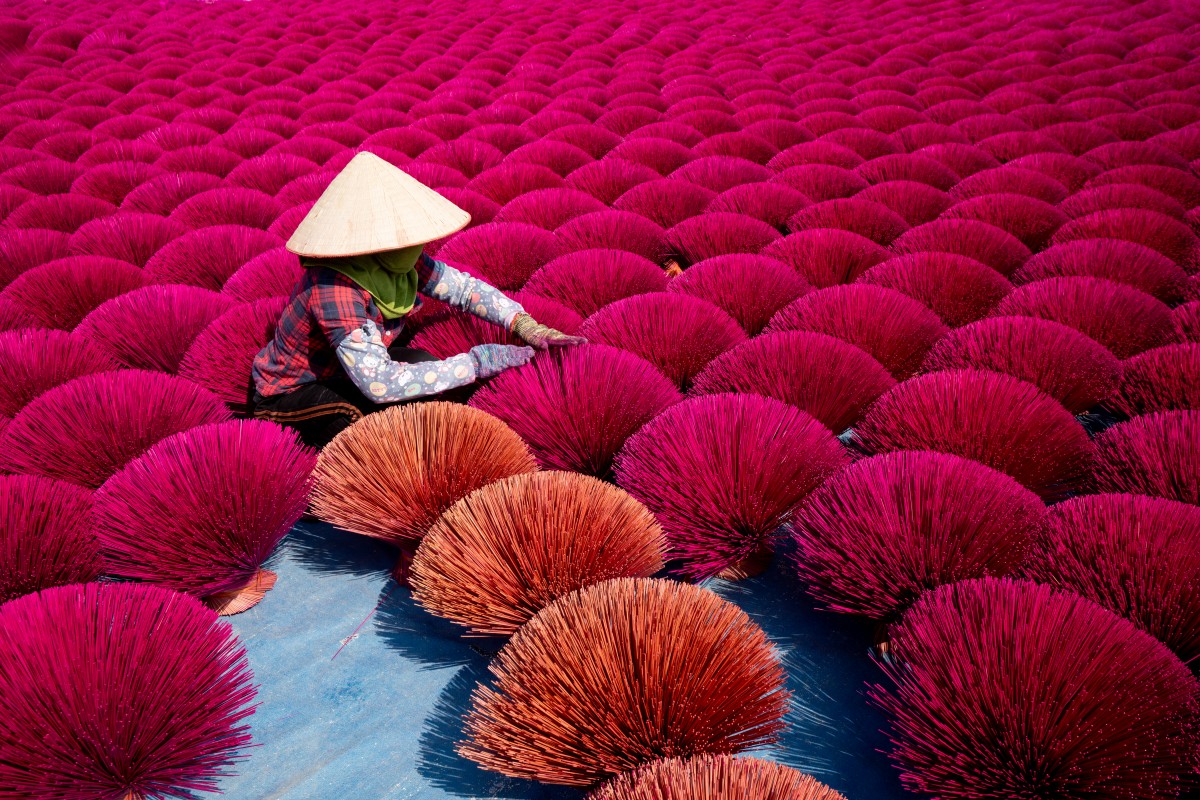
Quang Phu Cau Incense Village – Hanoi
Quang Phu Cau is well known for its colorful bundles of incense sticks, which create striking photographic scenes. Visitors can learn about the traditional incense-making process and discover its importance in Vietnamese spiritual and religious practices.
Van Phuc Silk Village – Hanoi
With a history spanning more than a thousand years, Van Phuc is one of Vietnam's most famous silk-producing villages. Visitors can learn about traditional silk weaving and explore shops selling beautifully crafted silk products.
Visiting these villages provides more than a sightseeing experience. It allows travelers to appreciate the craftsmanship and dedication behind Vietnam's traditional handmade products.
4. Discover the Flavors of Traditional Vietnamese Cuisine
Food is an essential part of Vietnamese culture, reflecting the country's regional diversity, history, and everyday lifestyle.
Vietnamese cuisine is known for its balance of flavors, fresh ingredients, aromatic herbs, and distinctive cooking techniques. Each region offers its own specialties, creating a diverse culinary journey from north to south.
Some traditional dishes every traveler should try include:
-
Pho: Vietnam's famous noodle soup, traditionally served with beef or chicken, fresh herbs, and a flavorful broth.
-
Banh Chung: A traditional square sticky rice cake made with glutinous rice, mung beans, and pork, particularly associated with Lunar New Year celebrations.
-
Bun Cha: A Hanoi specialty featuring grilled pork served with rice noodles, fresh herbs, and a dipping sauce.
-
Nem Ran: Crispy fried spring rolls filled with a mixture of meat, vegetables, and other ingredients.
-
Banh Xeo: A crispy Vietnamese pancake filled with pork, shrimp, and bean sprouts, commonly enjoyed with fresh herbs and dipping sauce.
To gain a deeper understanding of Vietnamese food culture, travelers can join local cooking classes, visit traditional markets, or enjoy a home-cooked meal with a Vietnamese family.
These experiences offer an excellent opportunity to discover the stories and traditions behind the country's most beloved dishes.
5. Visit Local Markets and Experience Everyday Vietnamese Life
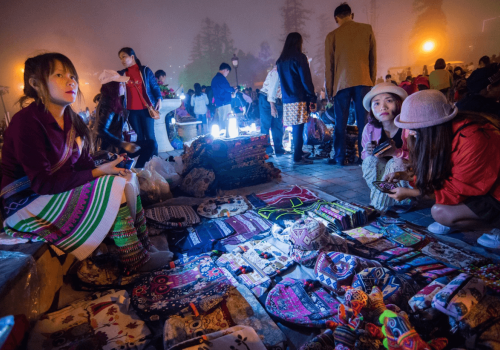
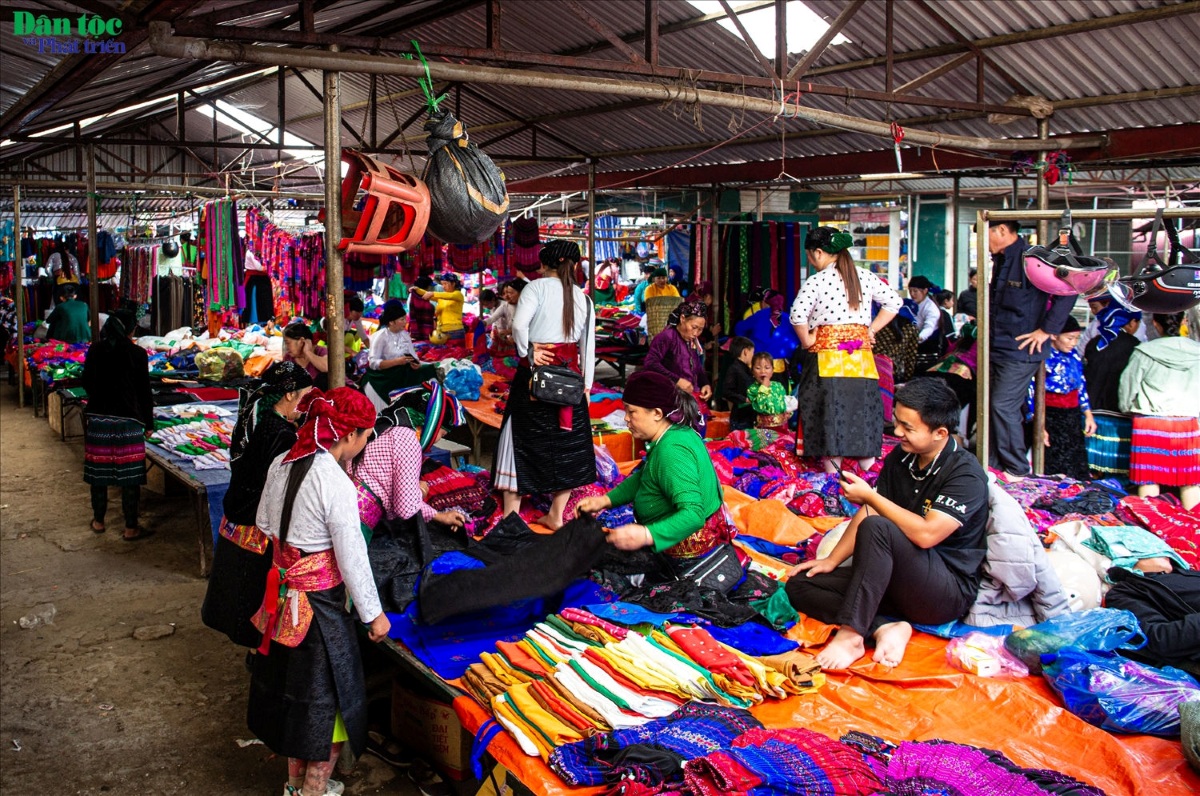
Local markets are an important part of daily life in Vietnam. They are not simply places where people buy and sell goods but also vibrant social spaces where communities gather, exchange news, and maintain long-standing traditions.
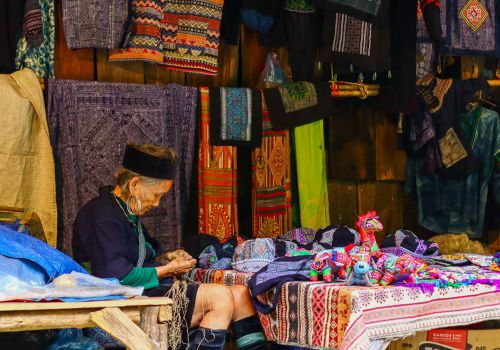
In northern Vietnam, Bac Ha Sunday Market in Lao Cai is particularly interesting for travelers seeking authentic cultural experiences. The market brings together different ethnic communities, including the H'Mong, Dao, Tay, and Nung people, who gather to trade agricultural products, handmade textiles, traditional clothing, and local specialties.
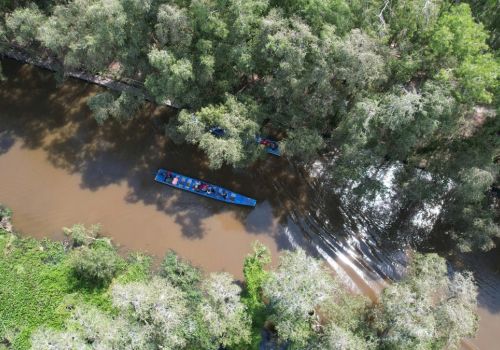
In southern Vietnam, floating markets offer a completely different atmosphere. Cai Rang Floating Market in Can Tho is one of the most famous, where vendors sell fresh produce and local goods directly from their boats along the Mekong River.
Visiting these markets allows travelers to observe local lifestyles, discover regional products, and interact with local communities in a natural setting.
6. Experience Traditional Vietnamese Festivals
Vietnamese festivals reflect the country's spiritual beliefs, historical heritage, and strong sense of community. Throughout the year, various celebrations take place across the country, offering visitors an opportunity to experience local customs and traditions.
Some of the most important festivals include:
Tet Nguyen Dan – Vietnamese Lunar New Year
Tet is the most significant traditional celebration in Vietnam. Families gather to welcome the new year, prepare traditional dishes, decorate their homes, visit relatives, and honor their ancestors.
Traditional foods such as Banh Chung and Banh Tet are important parts of the celebration.
Mid-Autumn Festival
Celebrated on the 15th day of the eighth lunar month, the Mid-Autumn Festival is especially popular among children. Streets are decorated with colorful lanterns, lion dances take place, and families enjoy traditional mooncakes together.
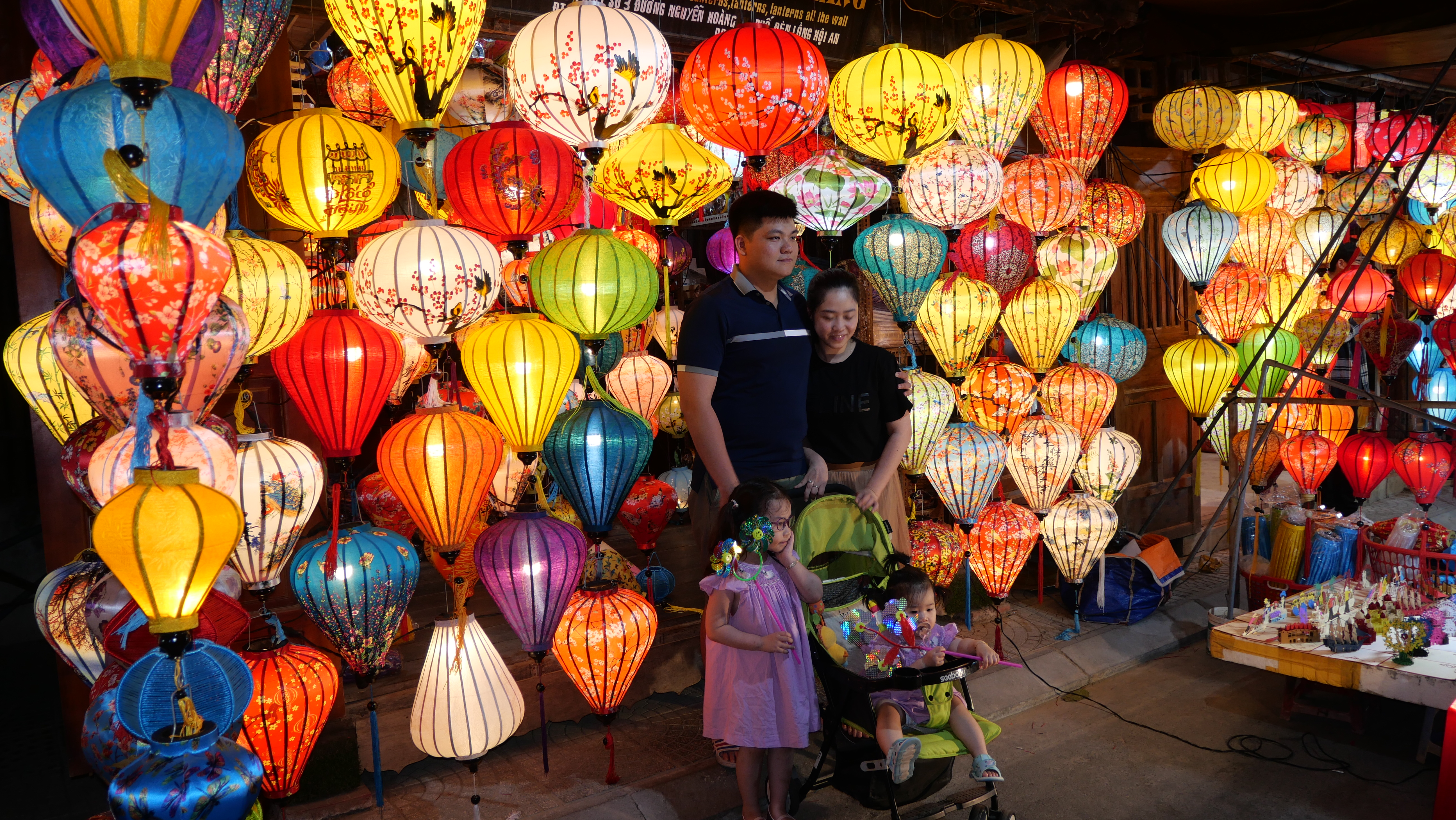
Hoi An Lantern Festival
Held on the 14th day of each lunar month, the Hoi An Lantern Festival transforms the ancient town into a beautiful scene illuminated by colorful lanterns. Electric lights are reduced in certain areas, creating a charming atmosphere along the Hoai River.
Huong Pagoda Festival
Located in Hanoi's surrounding countryside, the Huong Pagoda Festival is an important Buddhist pilgrimage event. Visitors travel through scenic waterways and mountain landscapes to visit temples and pagodas.
Experiencing these festivals offers a deeper appreciation of Vietnam's cultural identity and community traditions.
7. Discover Traditional Vietnamese Music and Performing Arts
Vietnam has a rich musical heritage, with traditional performing arts varying significantly between regions.
Each musical style reflects the history, beliefs, and cultural identity of the communities that developed it.
Some notable traditional art forms include:
-
Ca Tru: An ancient northern Vietnamese chamber music tradition featuring distinctive vocal techniques and traditional instruments.
-
Quan Ho Folk Singing: A traditional form of musical exchange between male and female singers, originating in Bac Ninh Province.
-
Don Ca Tai Tu: A traditional musical genre from southern Vietnam, often performed at community gatherings and cultural events.
-
Nha Nhac – Hue Royal Court Music: A form of ceremonial music once performed at the royal court of the Nguyen Dynasty.
Some of these art forms have been recognized by UNESCO as Intangible Cultural Heritage of Humanity.
Attending a traditional music performance is a wonderful way to discover the artistic depth of Vietnam and appreciate cultural traditions that have been passed down through generations.
8. Experience the Traditional Lifestyle of Vietnam's Ethnic Communities
Vietnam is home to 54 officially recognized ethnic groups, each with its own language, customs, traditional clothing, architecture, and cultural practices.
Exploring the communities of northern Vietnam offers travelers a particularly meaningful cultural experience.
Sapa – Discover the Culture of the H'Mong and Red Dao Communities
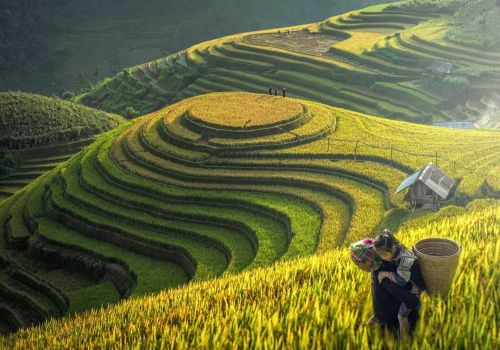
Sapa is home to several ethnic minority communities, including the Black H'Mong and Red Dao people. Visitors can explore traditional villages, walk through terraced rice fields, discover local handicrafts, and learn about traditional lifestyles.
Mai Chau – Experience Thai Ethnic Culture
Mai Chau is well known for its traditional Thai stilt houses, peaceful valleys, and rice fields. Travelers can stay in local homestays, enjoy traditional meals, watch cultural dance performances, and learn about the daily lives of the Thai community.
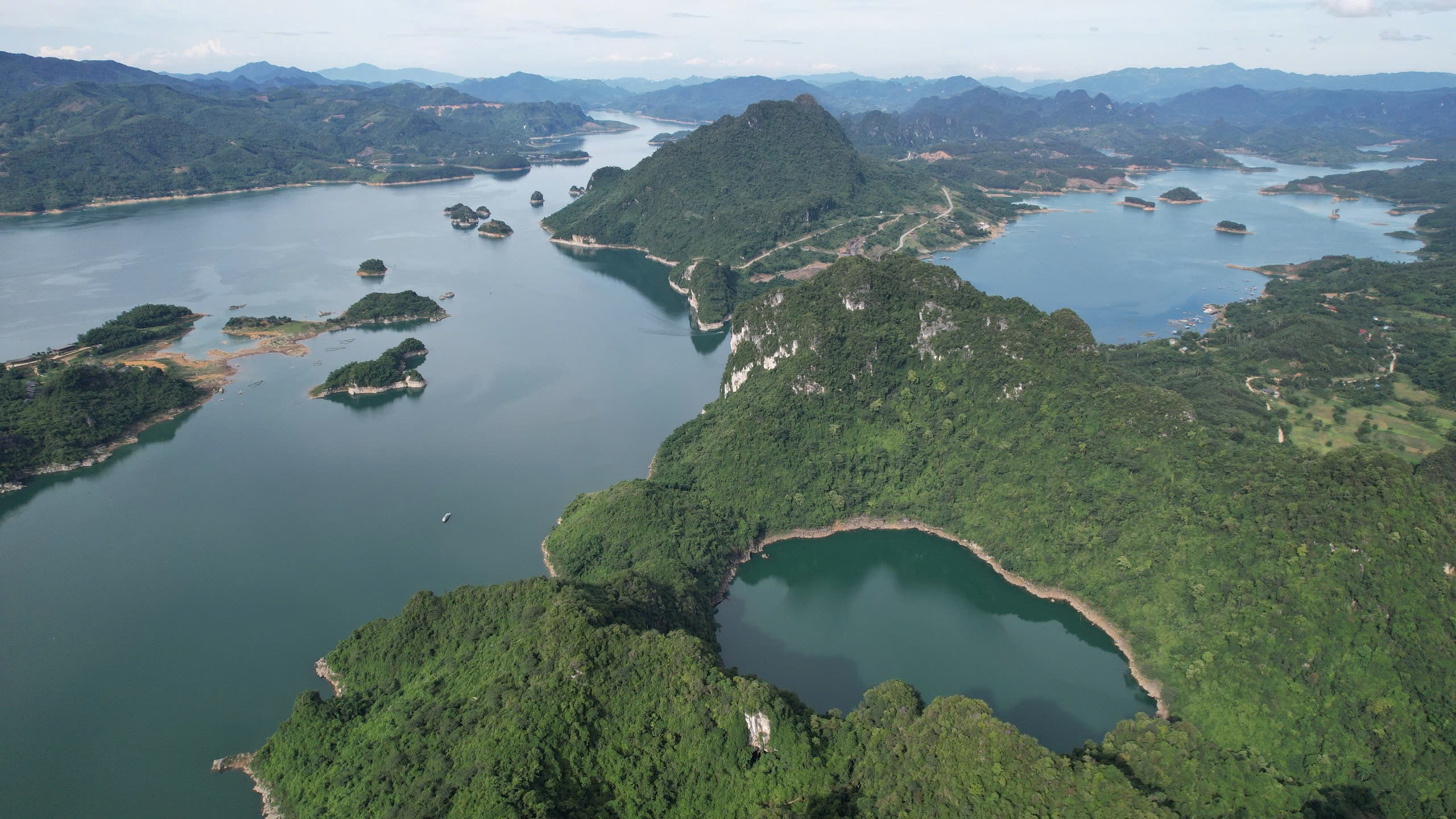
Ha Giang – Explore the Cultural Diversity of Northern Vietnam
Ha Giang offers opportunities to discover the traditions of various ethnic communities, including the H'Mong, Lo Lo, Tay, and Dao people. Traditional markets, colorful clothing, local architecture, and community-based experiences make this region particularly fascinating.
When visiting ethnic minority communities, travelers are encouraged to respect local customs, ask permission before taking photographs, and support local artisans and businesses.
Tips for Experiencing Vietnamese Traditional Culture Respectfully
To make the most of your cultural journey in Vietnam, keep the following tips in mind:
-
Dress appropriately: Wear modest clothing when visiting temples, pagodas, and other religious sites.
-
Respect local customs: Learn about local traditions and follow the guidance of community members.
-
Ask before taking photographs: Always seek permission before photographing local people, especially during religious ceremonies or private activities.
-
Support local communities: Purchase authentic handmade products and consider joining locally operated cultural experiences.
-
Try local food: Be open to discovering traditional dishes and regional specialties.
-
Travel with an open mind: Every region has its own customs and lifestyle, so take the time to appreciate cultural differences.
Conclusion: Experience the Cultural Heart of Vietnam
Vietnam is much more than a destination of beautiful landscapes, historic monuments, and modern cities. Its true charm lies in the traditions, stories, and everyday lives of its people.
Whether you are watching a traditional water puppet show in Hanoi, exploring ancient craft villages, tasting authentic local dishes, or staying in a traditional stilt house in Mai Chau, each experience offers a different perspective on Vietnamese culture.
At Asia Pacific Travel, we believe that meaningful journeys go beyond visiting famous attractions. They are about connecting with local communities, discovering authentic traditions, and creating unforgettable memories.
With our tailor-made Vietnam tours, we help travelers explore the country's cultural heritage through carefully designed itineraries and authentic local experiences.
Discover Vietnam with Asia Pacific Travel and experience the traditions that make this country truly unique.
Contact our team to start planning your next journey through Vietnam.
Related Posts